
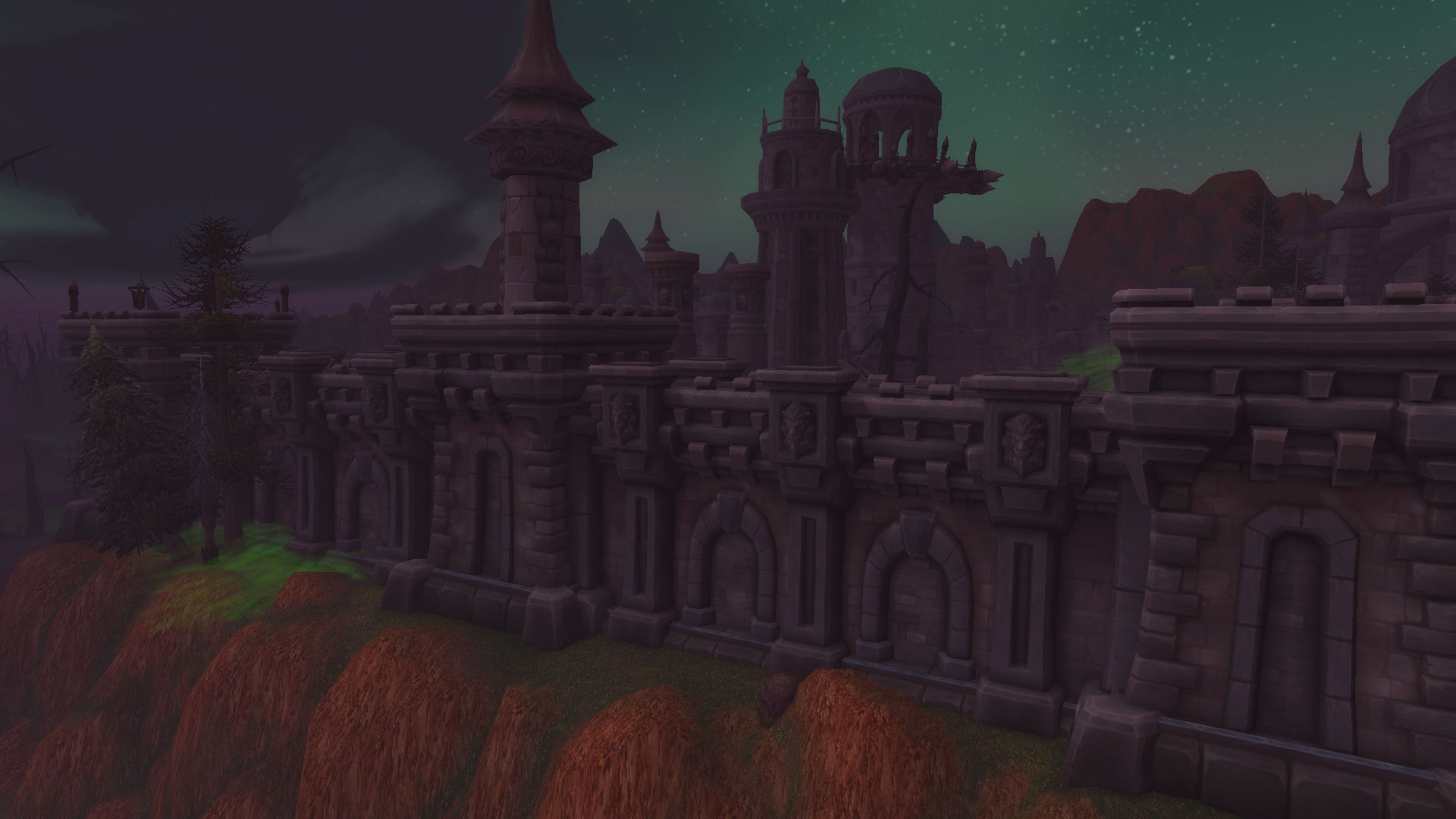
The legacy of Warcraft III extends far beyond its own gameplay, profoundly shaping the design principles of World of Warcraft Classic. As players delved into the rich narratives and intricate quest structures of Warcraft III, developers drew inspiration from these elements to craft the immersive world of Azeroth. The transition from a real-time strategy game to an MMORPG necessitated a reimagining of quests, blending the storytelling and environmental storytelling techniques found in Warcraft III with the open-world experience of WoW. This guide explores how the quest design in Classic WoW reflects the innovations introduced in Warcraft III, emphasizing narrative depth, quest variety, and the integration of lore.
Narrative Depth and Character Development
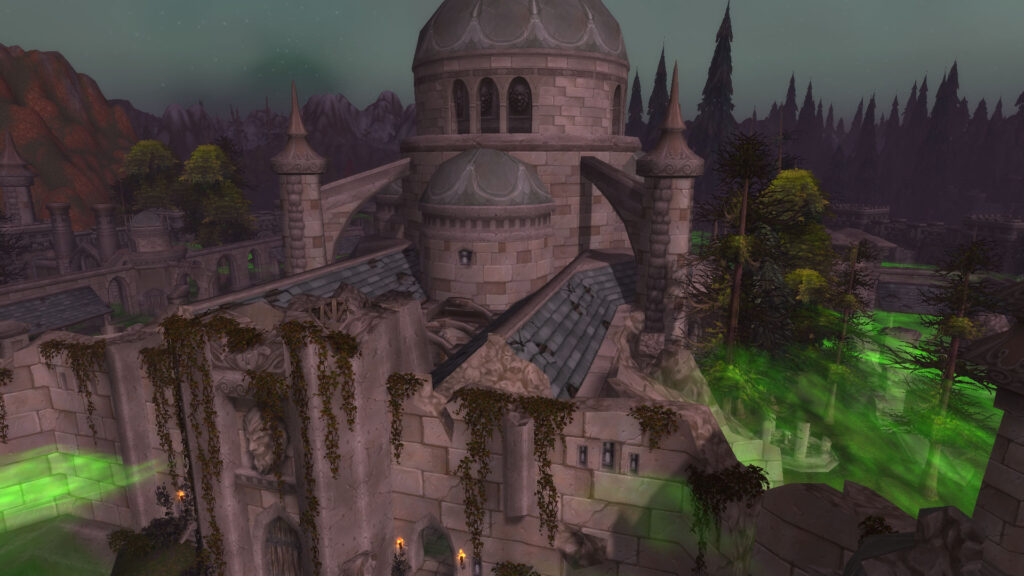
In Warcraft III, players experienced a richly woven narrative filled with character arcs that evolved throughout the campaign. This emphasis on storytelling laid the groundwork for Classic WoW’s quest design, where each quest often contributes to a larger narrative tapestry. Quest givers in Classic WoW, much like the heroes and factions in Warcraft III, have distinct personalities and backgrounds that enhance player engagement. The quests often reflect moral choices, conflicts, and alliances, encouraging players to immerse themselves in the lore of Azeroth. A prime example can be observed in the quest chains surrounding major factions like the Argent Dawn and the Scourge, which echo the thematic depth present in Warcraft III’s campaign missions.
Variety of Quest Types
Warcraft III introduced players to a variety of mission types beyond simple combat objectives, including resource gathering, exploration, and strategic decision-making. This diversity is mirrored in Classic WoW, where quests are not restricted to killing enemies but encompass multiple objectives. Players can engage in quests that require them to collect items, escort NPCs, or even solve environmental puzzles. The following table outlines the different quest types and their prevalence in Classic WoW:
| Quest Type | Description | Example |
|---|---|---|
| Kill Quests | Defeat a specific number of enemies. | “Kill 10 Wolves” |
| Gathering Quests | Collect items from the environment. | “Collect 5 Bear Pelts” |
| Exploration Quests | Explore a specific area or landmark. | “Discover the Hidden Shrine” |
| Escort Quests | Guide an NPC safely to a destination. | “Escort the Merchant” |
Environmental Storytelling
One of the most compelling aspects of Warcraft III was its ability to tell stories through the environment and level design. Classic WoW adopted this approach, embedding lore within the game’s landscapes. Players can find remnants of past events, such as the ruins of ancient civilizations or the aftermath of battles, which encourage exploration and curiosity. For instance, the Barrens is not just a zone for grinding; it is filled with clues about the conflict between the Horde and the Alliance, echoing the environmental narrative techniques seen in Warcraft III. This method not only enriches the player’s experience but also reinforces the connection between quests and the overarching history of Azeroth.
Faction Reputation and Narrative Engagement
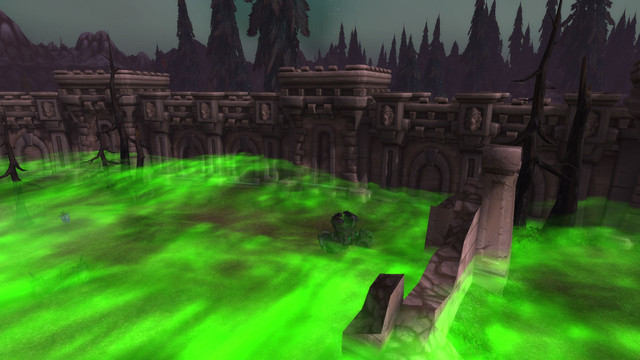
The introduction of faction reputation in Classic WoW can be traced back to the multi-faction system in Warcraft III, where allegiances played a significant role in gameplay. In Classic WoW, players engage with various factions, earning reputation through quests that not only provide rewards but also deepen the player’s relationship with the lore. This mechanic encourages players to invest time into the game world, as building reputation with factions often unlocks unique quests and items, similar to the strategic choices players faced in Warcraft III regarding alliances and rivalries. This system has made faction-driven storytelling a staple in MMORPGs, enhancing the sense of community and player agency.
Conclusion: The Legacy Continues
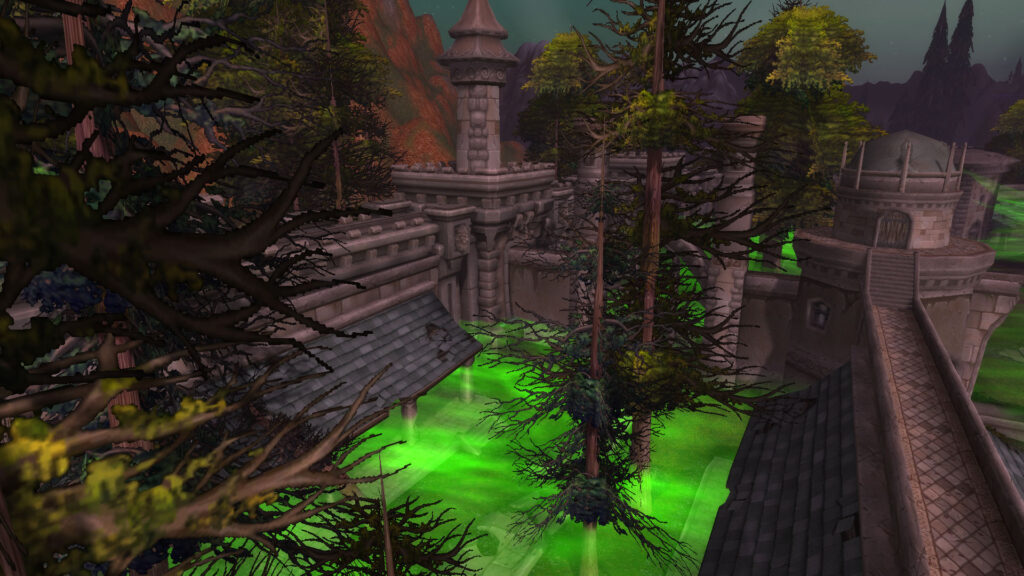
The influence of Warcraft III on Classic WoW’s quest design is undeniable, as it laid the foundation for intricate storytelling, quest variety, and environmental engagement. Players today still experience the echoes of Warcraft III as they navigate the vast landscapes of Azeroth, completing quests that resonate with the narrative depth and character development first introduced in the iconic RTS. The design choices that emerged from Warcraft III not only shaped the initial experience of WoW but continue to influence the game’s expansions and updates, ensuring that the legacy of storytelling and immersive gameplay remains a central tenet of the franchise. As players navigate quests, they are not merely completing tasks; they are participating in a living narrative that honors the rich history of Warcraft.